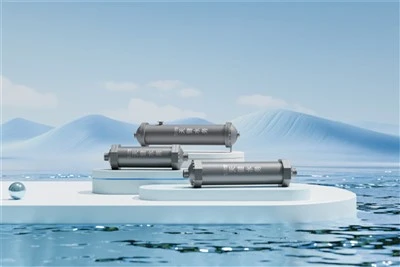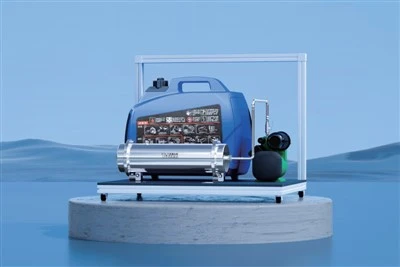

Ceramic membranes are a type of inorganic membrane used in membrane separation technology. They are fabricated by applying a coating onto a porous inorganic ceramic support-typically composed of materials such as aluminum oxide, zirconium oxide, titanium dioxide, or silicon carbide-and subsequently firing the assembly at high temperatures. Commercially available ceramic membranes generally feature an asymmetric, three-layer structure consisting of a porous support layer, an intermediate layer, and a separation layer. With pore sizes ranging from 0.8 nm to 1 μm, these membranes offer filtration capabilities spanning the microfiltration, ultrafiltration, and nanofiltration ranges.
Depending on the configuration of the support, ceramic membranes can be classified into three types: flat-sheet, tubular, and multi-channel. Characterized by their resistance to acids, bases, and high temperatures, as well as their chemical stability in extreme environments, ceramic membranes-which often feature small pore sizes (typically less than 0.2 μm)-are capable of achieving molecular-level filtration. Consequently, they are primarily used for the filtration and separation of liquid or gaseous mixtures. They can serve as alternatives to traditional separation techniques-such as centrifugation, evaporation, distillation, and conventional filtration-thereby enhancing product quality and reducing production costs. As such, they hold broad application potential in demanding industrial sectors, including the petroleum and chemical industries.