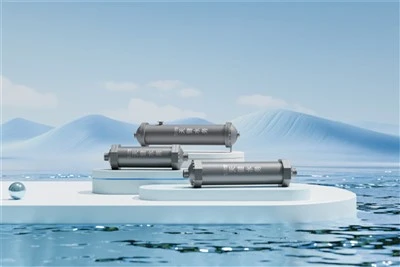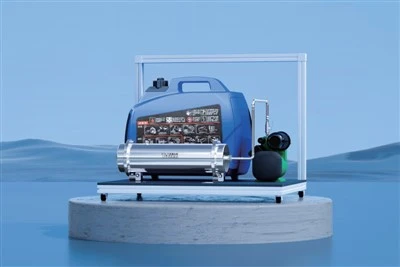

Among the various types, flat-sheet membranes are the most widely used, primarily in small-scale industrial production and laboratory research. Tubular membranes, when assembled in a configuration similar to a shell-and-tube heat exchanger, can increase the effective membrane surface area; however, due to concerns regarding their structural strength, they are gradually being phased out of industrial applications.
Food and Beverage: Clarification and filtration of fruit juices and alcoholic beverages; sterilization and concentration of milk; and the removal of microorganisms and impurities from fermented products such as soy sauce and vinegar.
Biopharmaceuticals: Filtration and purification of antibiotic fermentation broths; separation and extraction of enzymes; purification of active ingredients from traditional Chinese medicine; generation of sterile, clean air; and treatment of pharmaceutical wastewater.
Chemical and Petrochemical Industries: Separation, concentration, and purification processes in harsh environments, serving as an alternative to traditional methods such as centrifugation, evaporation, and distillation.
Water Treatment and Environmental Protection: Industrial wastewater treatment, water reuse, and the use of ceramic membrane bioreactors (MBRs) to treat wastewater with high pollution loads.
Energy Sector: Utilized as electrolyte membranes in solid oxide fuel cells (SOFCs), enabling the cells to operate at intermediate temperature ranges.