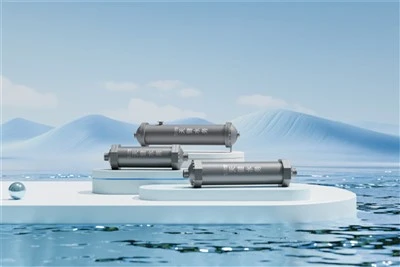

Ceramic membranes and plastic membranes differ significantly in terms of material composition, performance, and application; they do not belong to the same category of products.
Material Differences
• Ceramic Membranes: Composed primarily of inorganic materials such as aluminum oxide or zirconium oxide, these membranes are formed through high-temperature sintering and possess a rigid structure.
• Plastic Membranes: Typically made from organic polymers such as polyethylene (PE) or polypropylene (PP), these membranes are flexible and prone to deformation.
Performance
• Ceramic Membranes: Pressure resistance ≥6 MPa (e.g., silicon carbide ceramic membranes); temperature range: -10°C to 350°C; chemical stability: resistant to strong acids and bases (pH 0–14); service life: 5–10 years.
• Plastic Membranes: Prone to tearing (tensile strength <20 MPa); temperature range: -30°C to 120°C; chemical stability: easily dissolved by organic solvents; service life: 1–3 years.