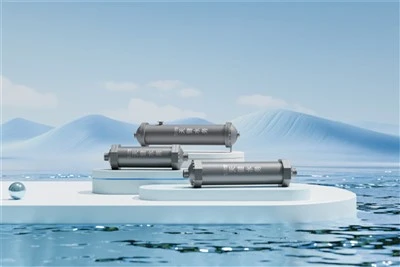

The temperature resistance of ceramic membranes varies depending on the material type, application scenario, and preparation process. In general, they exhibit strong high-temperature stability, though certain types may have limitations when subjected to rapid temperature fluctuations or specific environmental conditions.
Ceramic membranes exhibit exceptional high-temperature resistance, typically capable of withstanding temperatures exceeding 1000°C-the specific range depending on the material composition and manufacturing process.
As a novel type of inorganic membrane material, ceramic membranes have garnered significant attention due to their outstanding high-temperature tolerance. Just how high a temperature can they endure?
Ceramic Membrane Materials and High-Temperature Resistance
Ceramic membranes are primarily composed of inorganic materials such as aluminum oxide, silicon dioxide, and zirconium dioxide. These substances possess inherently high melting points, allowing the membranes to maintain a stable structure and consistent performance even in high-temperature environments. Furthermore, ceramic membranes offer excellent chemical stability and corrosion resistance, enabling them to operate reliably over long periods under demanding conditions-including high temperatures, high pressures, and exposure to strong acids or bases.